
Time critical care at any temperature
Sending or receiving, it’s crucial to have a dedicated temperature control system. It takes precise handling and continuous monitoring to ensure all sensitive goods maintain their quality, safety and effectiveness.
As a specialist serving the life sciences and healthcare sectors, Pharma Logistics NZ offers temperature-controlled, time-critical delivery of pharmaceuticals, vaccines, and biological samples. Integrated processes, and responsive communication mean your shipments are visible at every stage.
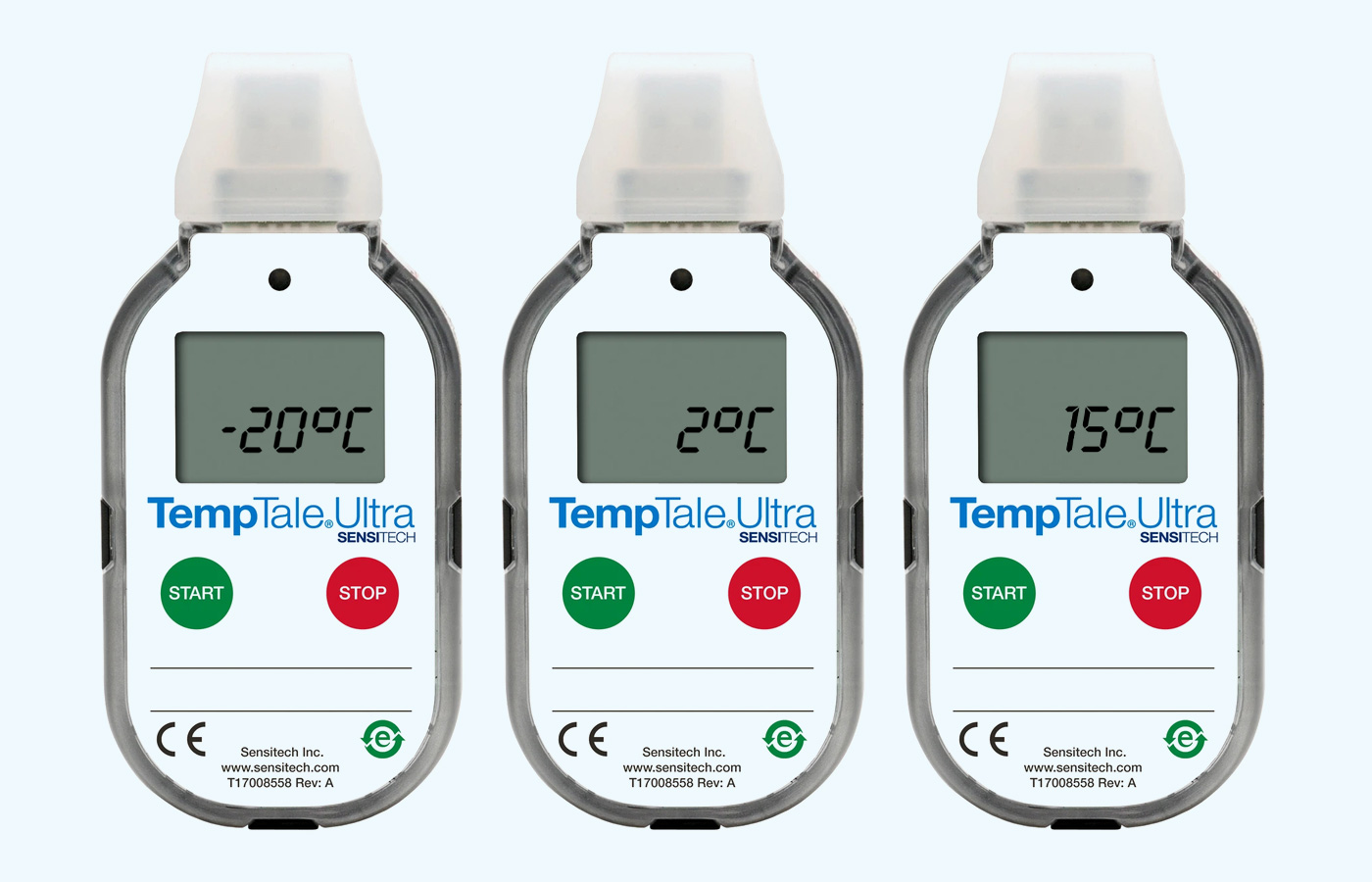
Our active temperature control options maintain a strictly controlled environment throughout the temperature controlled supply chain – safeguarding products from conditions that compromise their integrity.
Temperature-controlled packaging with Phase Change Materials protects contents for up to 120 hours, while dry shippers (using liquid nitrogen) can maintain cryogenic temperatures of minus 150°C to minus 196°C for up to 19 days.
What to expect from our temperature-controlled services:
- Select from cryogenic and frozen, to refrigerated, or carefully controlled ambient temperature options
- Products include pharmaceuticals, vaccines, lab/medical kits, in addition to human or animal biological samples or specimens
- Specialist packaging solutions optimise stability during transit and processing
- We also handle import shipments of temperature-controlled pharmaceuticals (temperature range between +2°C to +8°C and +15°C to +25°C) for clinical trials
Temperature bands
Pharmaceutical companies and hospitals may need to store patient’s temperature-sensitive drug products with ambient storage solutions appropriate for close monitoring and testing.
Refrigerator storage enables the reliability essential for protecting pharmaceutical products including vaccines, blood samples and medical drugs. Our services include remote temperature monitoring, tracking, and reporting.
Frozen storage services let you store products such as sensitive drugs that need to be kept between a specific temperature for patient and industry use, and whenever transporting products globally.
Ultra-low temperatures enable vaccines, whole blood, stem cells and other products to remain stable and viable – highly important for scientific research and essential medicine shipments.